Field Reports & Blog

Trip reports, wildlife accounts and dispatches from Deramakot Forest Reserve — from guests, naturalists and wildlife writers.

From the Field

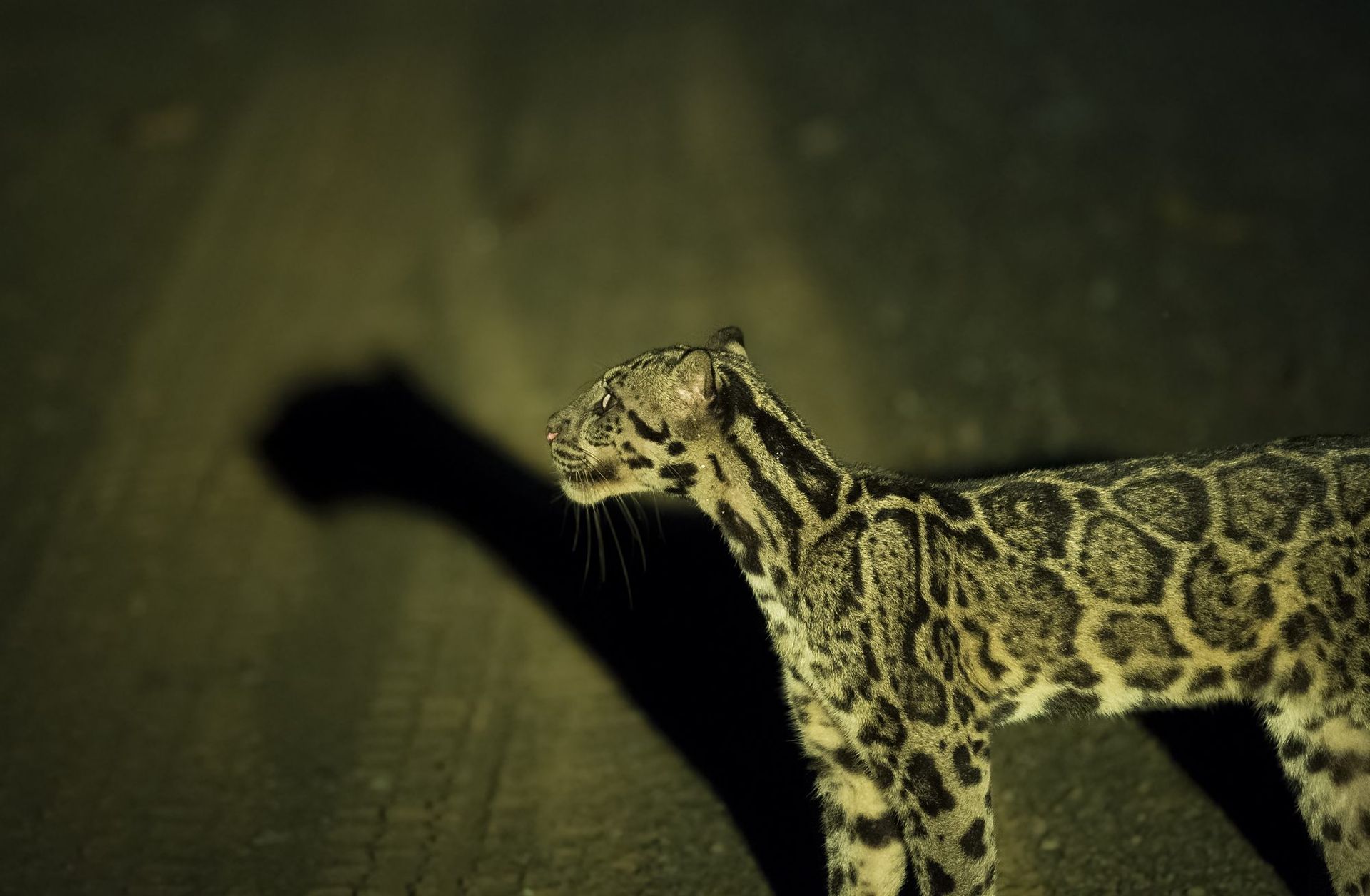
Sunda Clouded Leopard on forest road, Deramakot ★ Featured Report
MammalWatching.com

Deramakot, May 2015 — One of the Best Night Drives I've Ever Taken Outside of Africa

Reports of Deramakot Forest Reserve had been arriving in the author's inbox for months — sun bears, banded palm civets and marbled cats in just a few days. The first night drive out of camp was, as he put it, one of the finest he had ever experienced outside Africa: common and striped palm civets, a distant binturong, several Thomas's flying squirrels, a leopard cat walking on the road, a bornean slow loris — and best of all, his first ever banded palm civet, lit up in the spotlight in all its extraordinary patterning.

The trip had been arranged through Adventure Alternative Borneo, with guide Mike and driver Lang. The pair were ready to go out spotlighting even after a full day's drive into camp — and were still finding eyeshine after three hours of sitting on the vehicle roof in torrential rain. A quality of dedication that, for many guests, defines the Deramakot experience.

Species Highlights
Banded Palm Civet Leopard Cat Binturong Bornean Slow Loris Thomas's Flying Squirrel Striped Palm Civet Common Palm Civet Long-footed Tree Shrew
Read the full report on MammalWatching.com
Clouded leopard portrait, Deramakot
MammalWatching.com

Sabah 2017 — Three Clouded Leopard Sightings & Two Marbled Cats in Four Nights

A report that still circulates in mammal-watching forums years later. Laurent joined a trip to Deramakot, Danum Valley and the Kinabatangan and described the Deramakot portion as a perfect trip — three separate clouded leopard sightings and two marbled cats, alongside Borneo Pygmy Elephants and a sun bear. "We were overwhelmed by all we saw in just 4 nights." His comment at the end of the report summed it up: "I can already die happy with what I've seen so far."

3Clouded Leopard sightings
2Marbled Cat sightings
4Nights
Read on MammalWatching.com
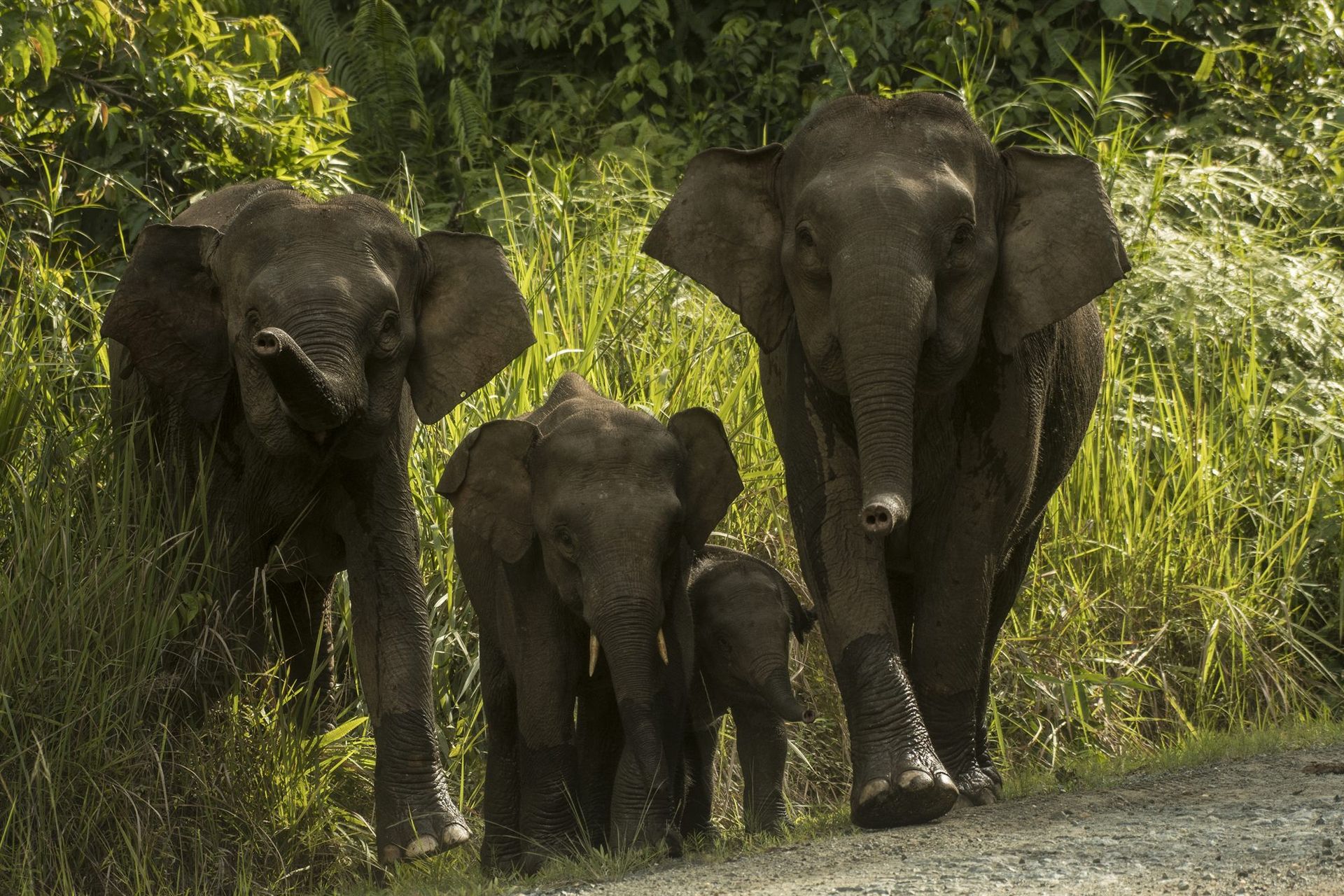
Borneo Pygmy Elephant family on forest road, Deramakot
The Wildlife Diaries

Borneo Wildlife Holidays — In Search of the Wild Cats of Deramakot

Wildlife ecologist and photographer Margarita Steinhardt visited Deramakot on multiple occasions in search of Borneo's five wild cat species. On her first trip she found leopard cat and marbled cat; she returned the following year specifically to find the clouded leopard. She described the pygmy elephant encounter memorably: a young female in the herd repeatedly practiced her "war dance" on their vehicle — backing towards the truck bum-first, staring at the driver through the windshield, then calmly walking away to rejoin the herd.

2Visits
4Cat species targeted
3Cat species seen
Read on The Wildlife Diaries
Guide spotting from 4WD, Deramakot
Life, Art & Earth (Blog)

Borneo Wildlife in the Deramakot Forest — A Spur-of-the-Moment Trip

A naturalist with a few spare days before a university lecture in Kuala Lumpur booked a last-minute flight to Sandakan and turned up at Deramakot almost the same day. Over three nights, guided by Elsie and Mike, he saw leopard cat, three species of flying squirrel, a close slow loris, orangutan and long-tailed macaque — with gibbons in full voice each morning. His final drive out produced a Storm's Stork on the road and a group of elephants in the undergrowth. "Some of the sightings were the best I'd had."

3Nights
3Flying squirrel species
1Storm's Stork
Read on Life, Art & Earth
Deramakot Journal

How Mammal Watching Put Deramakot on the Map

📅 2026 📍 Deramakot Forest Reserve, Sabah 🐆 The rise of a global mammal-watching destination
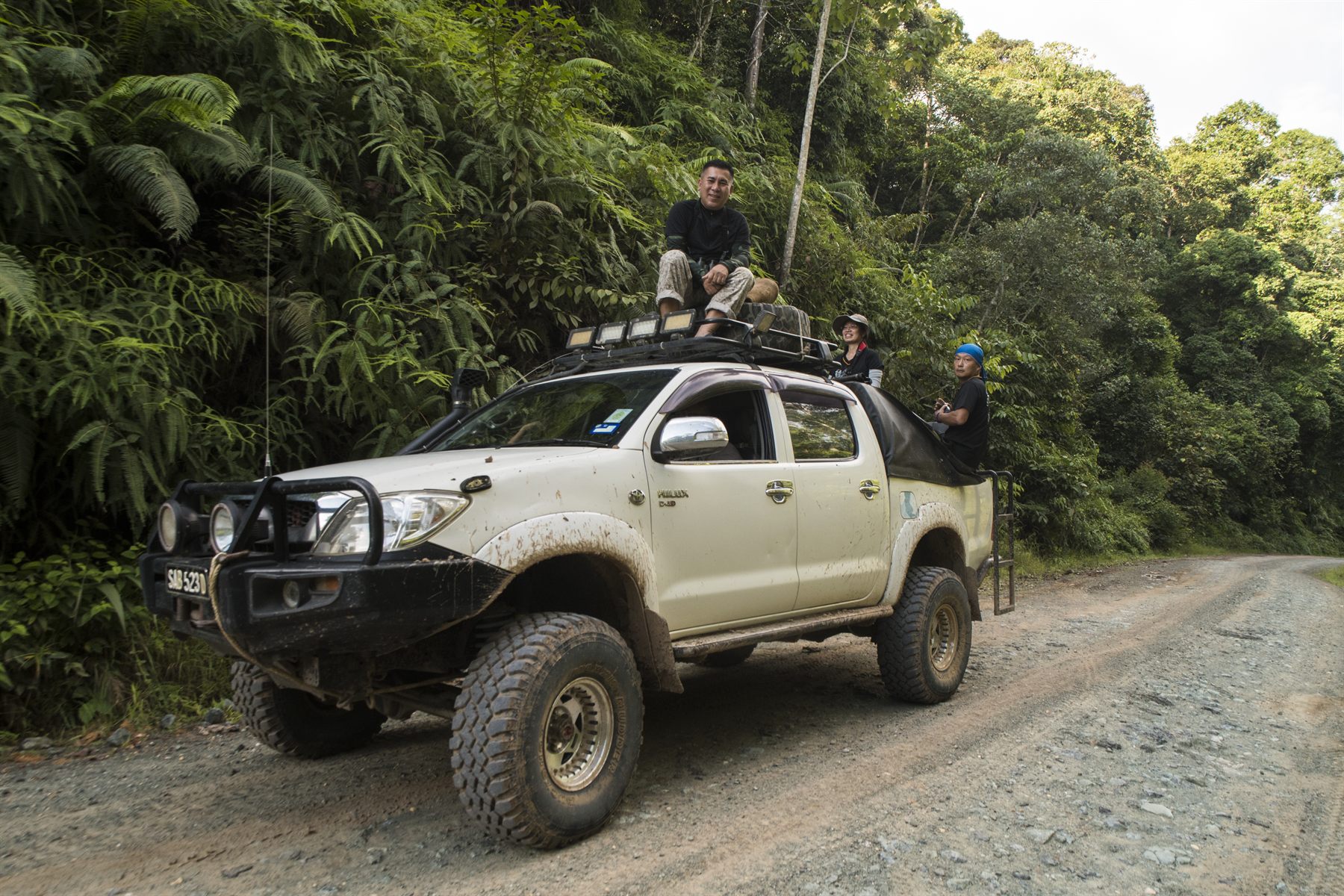
4WD spotlighting vehicle with guides on the roof, Deramakot forest road

A decade or so ago, "mammal watching" wasn't really a thing you could tell people you did on holiday without getting a blank look. Birders had their life lists, safari-goers had the Big Five, but the smaller, slightly obsessive crowd chasing civets, cats, and other things that mostly come out at night was still a fairly quiet corner of the travel world, swapping notes on a forum called mammalwatching.com. Somewhere along the way that quiet corner turned into an actual travel niche, with its own operators, its own specialist guides, and a steady flow of trip reports on mammalwatching.com and Safaritalk that people genuinely plan holidays around. Nowhere has that change been more obvious than in Sabah, Borneo, and one forest in particular that this crowd now talks about the way birders talk about a bird they've been chasing for years: Deramakot.

Deramakot Forest Reserve is a 55,000-hectare stretch of forest a bumpy few hours from Sandakan, only reachable by 4WD. It doesn't look like an obvious wildlife hotspot on paper, either: 90% of it is set aside for reduced-impact logging, and it's the only Forest Stewardship Council-certified concession in Southeast Asia. But that's actually the trick of it. The managed logging leaves behind a network of quiet, wide roads, and those roads are what make the forest so good for spotlighting. Somewhere around three-quarters of Sabah's mammal species turn up here, and the roads let guides drive slowly and quietly after dark, which is when almost everything worth seeing decides to show itself.

That's what has made Deramakot, by most accounts, the best place on the planet to see a clouded leopard, an animal so secretive that plenty of career biologists have never seen one in the wild. Guides who spend enough nights on those roads see them with a regularity that would have sounded made-up fifteen years ago. Night drives here also throw up sun bears, marbled cats, otter civets, binturongs, flying squirrels, slow lorises, and, on a really good night, a pangolin. It's not unusual for a trip report on mammalwatching.com to list an impressively long run of mammal species from a couple of weeks in Sabah built around several nights at Deramakot.

That steady stream of trip reports has probably done more for Deramakot's reputation than any brochure ever could. Mammal watchers tend to be meticulous about writing things up, and they share everything: long, detailed posts on mammalwatching.com, photo-heavy threads on Safaritalk, all documenting the same forest delivering the same hard-to-see species, year after year. For a hobby that runs on firsthand reports rather than marketing, that kind of consistency is the best advertising going. Someone planning a Borneo trip doesn't have to take anyone's word for it — they can go back through years of independent write-ups and see the same animals and the same forest coming up again and again.

Credit for that also has to go to the guides themselves. Finding a clouded leopard or a marbled cat isn't about one lucky night, it's about knowing the roads, knowing the patterns, and putting in the hours, year after year. The guides who work Deramakot regularly have built exactly that kind of knowledge, and it shows. Operators like Adventure Alternative Borneo, which has been running trips into the reserve for years, have helped more travelers access that expertise, but really it's the guides' own patience and know-how doing the heavy lifting.

Mammal watching in Sabah looks nothing like it did ten years ago. A hobby that used to be a curiosity for a small, dedicated crowd is now a proper part of wildlife travel, and Deramakot sits right at the center of it. As other logging concessions start looking at Deramakot's FSC certification as a model worth copying, and as more people discover that a working forest can also be one of the best wildlife-watching spots anywhere, it's hard to see the reserve's reputation doing anything but growing from here.
The Wildlife Diaries — Margarita Steinhardt

War-Dancing Pygmy Elephants of Borneo's Deramakot Forest Reserve

📅 First published April 2018 📍 Deramakot Forest Reserve, Sabah 🎯 Target: Wild cats of Borneo

Wildlife ecologist and travel writer Margarita Steinhardt arrived at Deramakot as a serious mammal watcher with a specific target list: all five wild cats of Borneo. Her account of the experience captures both the thrill and the patience required by serious wildlife photography in dense rainforest.

The journey into the reserve — via the town of Telupid and then a long 4WD drive through forest — brought the team to the accommodation that Steinhardt described as unexpectedly comfortable: tiled floors, air-conditioned bedrooms with en-suite bathrooms, hot water and 24-hour electricity. For a remote jungle research station, it surprised everyone.

The night drives began immediately. On the first evening, guide Mike spotted a leopard cat as it moved into the undergrowth by the side of the road. The group stopped the vehicle, crept forward, and watched as it emerged onto the road and calmly walked away. "I was on seventh heaven from such a close and relaxed encounter with a wild cat," Steinhardt wrote.

Over subsequent days, the team encountered the Deramakot pygmy elephant herd repeatedly. Unlike most wild elephants, which retreat at the first sound of a vehicle, this herd had become accustomed to the forest roads. One young female in particular made her presence felt — bobbing her head, flapping her ears, and then reversing bum-first toward the truck to stare at the driver through the windshield before walking calmly back to the herd. The encounter was repeated across three nights.

On her first Deramakot visit, Steinhardt recorded marbled cat and leopard cat. The clouded leopard proved elusive — so she returned the following year. The reserve, she wrote, is one of the best places in Borneo for spotting rarer species, though luck always plays its part. Her camera traps and persistent night drives eventually rewarded that second visit with the sighting she had come for.

This summary is based on Margarita Steinhardt's original reporting at thewildlifediaries.com and focusingonwildlife.com. Margarita Steinhardt is a wildlife ecologist (MSc Wildlife Conservation, Macquarie University) and wildlife photographer based in Australia.

MammalWatching.com — Mark Spence

Deramakot 2018 — 9 Days, 25 Species, and the Flat-Headed Cat

📅 April 2018 📍 Deramakot Forest Reserve, Sabah 🦎 25 mammal species recorded

MammalWatching.com — the world's leading online community for dedicated mammal watchers — has published numerous Deramakot reports over the years, each adding to the reserve's extraordinary reputation. Mark Spence's 2018 account stands out for both its duration and the quality of sightings accumulated over nine nights in the field.

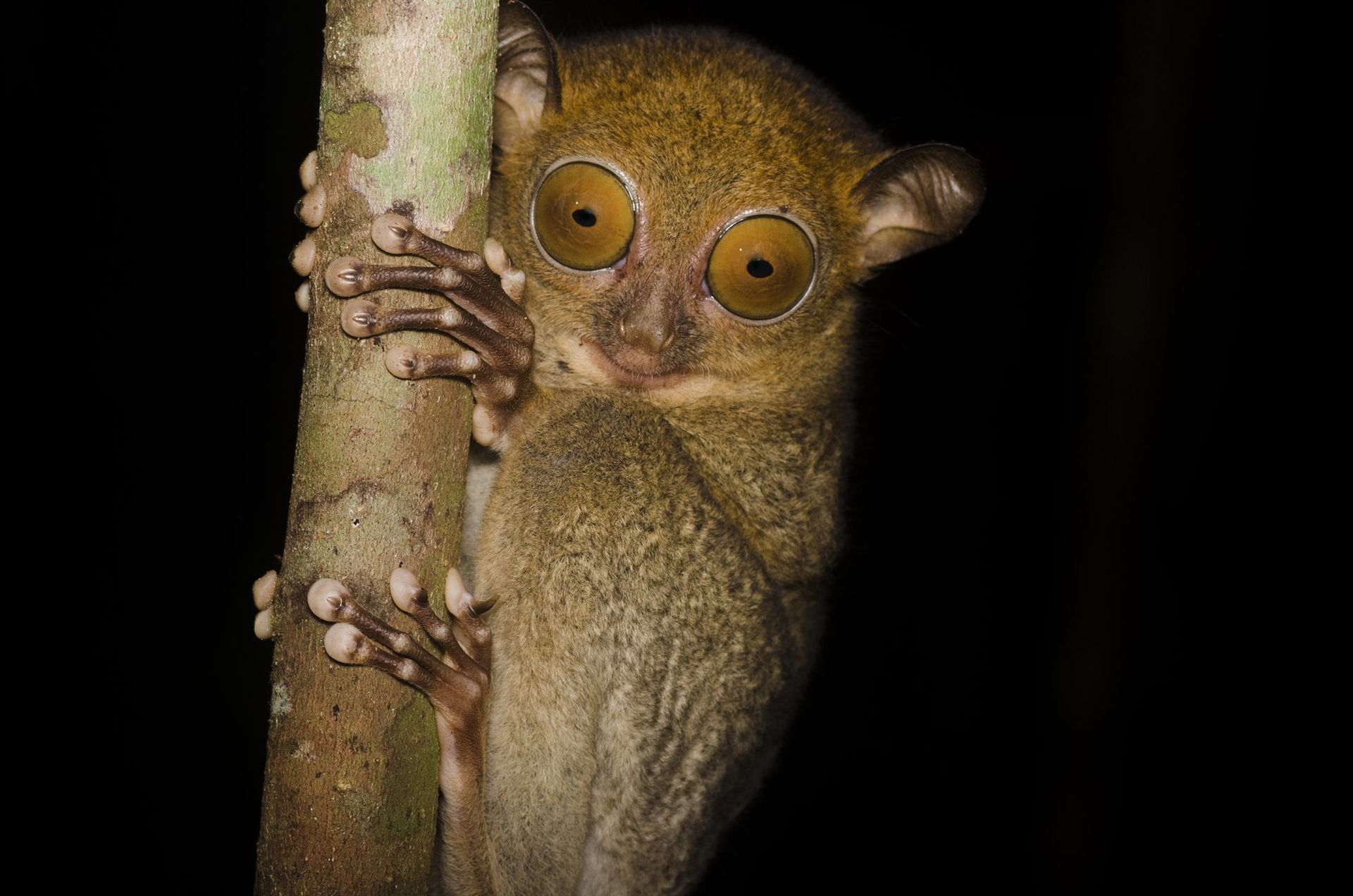
The list included species that genuinely stop experienced mammal watchers in their tracks: the Western Tarsier, one of the most endearing and elusive of Borneo's primates; the Moon Rat, a large and rarely-encountered insectivore; the Otter Civet, a semi-aquatic species that had been on Spence's target list for years; and the Hose's Langur, a striking primate found only in Borneo's interior forests.

Most remarkable of all was the Flat-headed Cat — one of the world's least-known and most difficult-to-find felids, recorded at only a handful of sites across its Southeast Asian range. A sighting at Deramakot is, for most mammal watchers, a once-in-a-lifetime encounter that many never achieve despite multiple dedicated visits.

The mammalwatching.com community's consistent reporting from Deramakot over more than a decade has helped establish the reserve's global reputation. The site's founder Jon Hall described his own first Deramakot night drive in 2015 as "one of the best I've ever taken outside of Africa" — high praise from one of the most widely-travelled mammal watchers in the world.

This summary references trip reports published on mammalwatching.com, the world's leading mammal watching community. Reports are submitted by visiting naturalists and verified by the site team. Full species lists and field notes are available to registered members.

Life, Art & Earth — Ru Smith

A Spur-of-the-Moment Deramakot Trip — and Why It's Worth Every Muddy Kilometre

📅 June 2024 📍 Deramakot Forest Reserve, Sabah 🦅 First Storm's Stork on departure road

Ru Smith, a naturalist and university lecturer, found himself with a few unexpectedly clear days before needing to return to Kuala Lumpur. On an impulse, he booked a flight to Sandakan the following morning and contacted Adventure Alternative Borneo to ask if he could arrive with almost no notice. The answer was yes.

Guided by Elsie and Mike — a husband-and-wife team who have become inseparably associated with Deramakot — Smith spent three nights in the reserve. The forest delivered, as it usually does for those willing to put in the hours. Three species of flying squirrel appeared across the drives, with the giant red flying squirrel making its characteristic long glides between emergent trees. A slow loris appeared at uncommonly close range — closer than Smith had ever seen the species — clinging to a branch and tracking the spotlight with enormous reflective eyes.

Each morning, North Bornean grey gibbons began their vocal performance at first light — a sound that Smith described as filling the whole forest. Fellow travellers Chiara and Manfredi joined for two of the days, and the camaraderie that develops on a Deramakot trip — eating together, comparing photographs, speculating about which road to take the following night — is, he wrote, half the experience.

On the drive out on the final morning, a rare Storm's Stork strolled down the forest road ahead of the vehicle — a species that most visitors to Borneo never encounter at all. And then, in the final kilometres before reaching Telupid, the tail end of a group of elephants disappeared into the undergrowth. A fitting farewell from a reserve that has a habit of delivering until the very last moment.

Originally published at lifeartearth.blogspot.com. Ru Smith is a naturalist, travel writer and educator who has observed wildlife across Southeast Asia, Papua New Guinea and the Pacific.

📋 Keep track of every species mentioned in these reports — free printable mammal, bird, reptile and amphibian checklists for lowland Sabah.

Get Free Checklists

Write the Next Report

Every one of these accounts started with someone booking a trip. Check dates and availability — yours could be the next one we feature here.

Book Your Safari Read Guest Reviews